

Restore, strengthen, and nourish the skin microbiome
The skin microbiome is a living, sensitive microbial ecosystem that is as unique as each person’s fingerprint. It plays a key role in determining how healthy, resilient, and radiant the skin is. A balanced microbiome strengthens the skin barrier, protects against irritation, and ensures a vibrant appearance. With targeted care, you can gently support this balance, restore it over the long term, and generally keep your skin healthy and radiantly beautiful.
What is the skin microbiome?
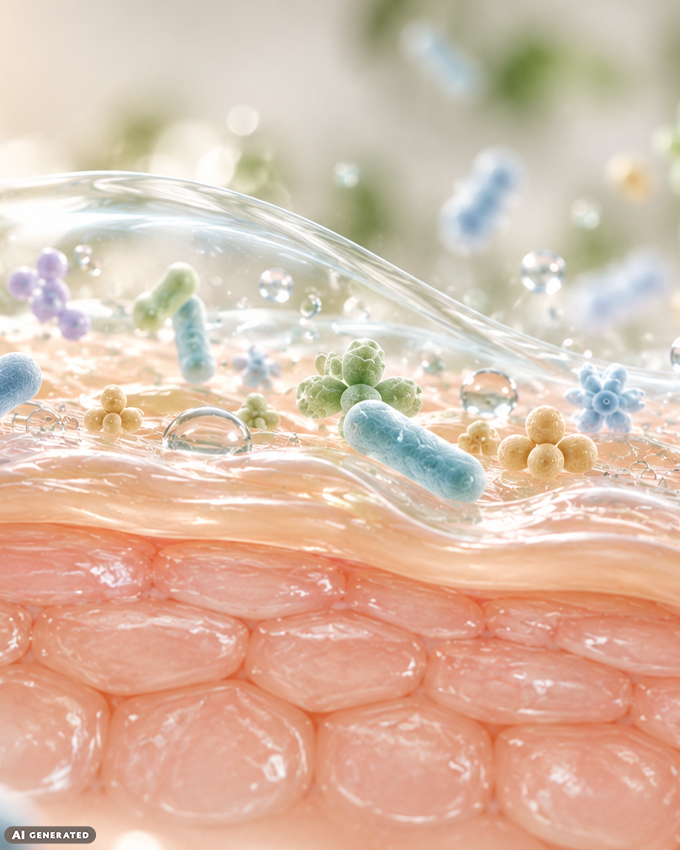
The skin microbiome refers to the totality of all microorganisms that naturally live on our skin. These include primarily bacteria, but also fungi, viruses, and mites, for example. These tiny organisms are invisible to the naked eye, but together they form a complex, living ecosystem on the skin’s surface.& nbsp;
The skin microbiome plays a crucial role in skin health: The microorganisms live in a close, mostly symbiotic relationship, benefit from the conditions on our skin, and contribute significantly to its protection and, consequently, to the health of the skin.
› Want to learn more?
Every person has a unique skin microbiome, comparable to a microbial fingerprint. The microorganisms present depend on factors such as age, gender, genetic predisposition, lifestyle, environment, skin area (e.g., dry, oily, or moist areas), and skincare routines.
What functions does the skin microbiome perform?
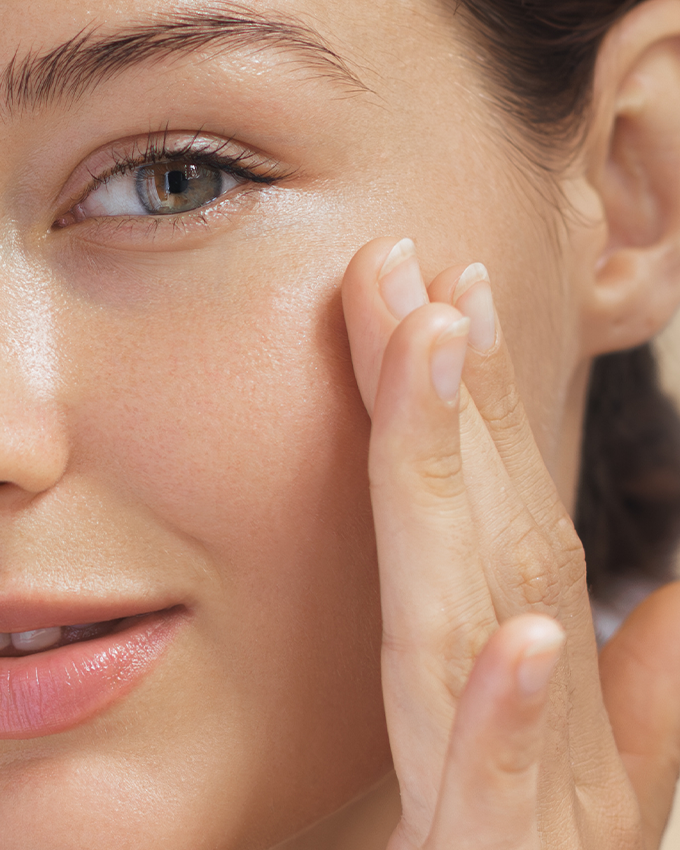
From a scientific perspective, the skin microbiome performs important protective functions: It stabilizes the skin’s natural acid mantle, supports the skin barrier, and helps ward off pathogenic germs. To put it simply, it competes with these pathogens for nutrients and, more generally, for living space.
It interacts closely with the skin’s own immune system and plays a crucial role in the skin’s important regenerative processes.
What does a healthy skin microbiome look like?
A healthy skin microbiome consists of a diverse community of microorganisms – primarily bacteria, fungi, and viruses—that live on the skin in a stable balance. These microorganisms perform important protective functions and play a key role in keeping the skin barrier intact and ensuring that the skin is resilient against external influences.
Microbiome Imbalance and the Significance of Skin Conditions
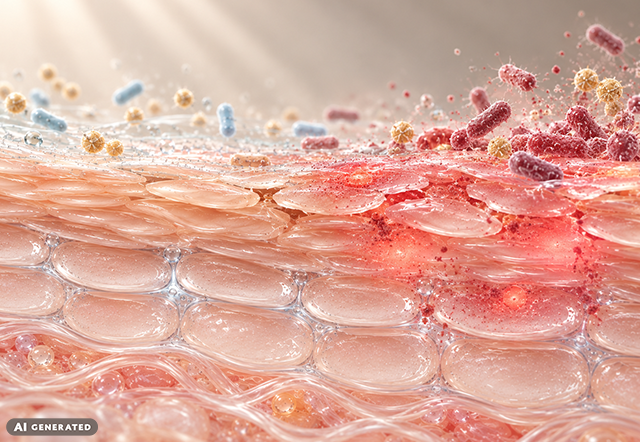
So-called dysbiosis – that is, disturbances in the balance of the microbiome – can be associated with skin conditions such as acne, atopic dermatitis, or rosacea.
- On severely atopic skin – that is, very dry areas of skin (as seen in atopic dermatitis) Staphylococcus epidermidis predominates
- In acne, Cutibacterium acnes predominates
- In rosacea, Demodex mites predominate
How do the skin microbiome and the skin barrier influence each other?
The skin microbiome and the skin barrier work in close cooperation and interact with one another. An intact skin barrier provides moisture, nutrients, and a stable environment for beneficial microorganisms. These microbes, in turn, strengthen the barrier, stabilize the acid mantle, ward off harmful germs, and regulate inflammatory processes in the skin.
The Skin's pH Level and Its Importance for the Microbiome
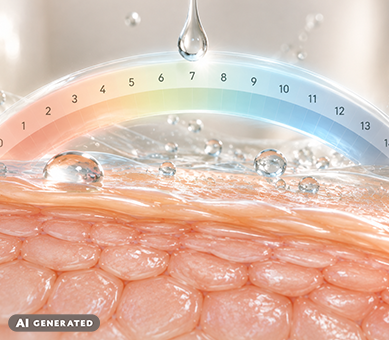
A healthy skin pH is slightly acidic, ranging between 4.8 and 5.5. This slightly acidic environment creates optimal conditions for beneficial microorganisms while inhibiting the growth of unwanted, disease-causing ones. A healthy pH supports the skin’s barrier function, regulates inflammatory processes, and plays a crucial role in maintaining skin health.
How can the skin microbiome be strengthened, built up, and restored?
The skin microbiome can be specifically supported by promoting a healthy balance of microorganisms:
Prebiotic
Prebiotic ingredients in skincare products support the healthy balance of the skin microbiome by specifically delivering nutrients to beneficial bacteria. This strengthens the skin barrier, stabilizes the pH level, and indirectly reduces pathogenic microorganisms. The skin is better able to retain moisture and is less sensitive.
e.g., beta-glucan in Retinol+ Cream
Probiotic
Probiotic ingredients in skincare products contain microorganisms or their components that specifically support the development of the skin microbiome. They help stabilize the balance of the skin’s flora, strengthen the skin barrier, and can regulate inflammatory processes. This boosts the skin’s resilience, reduces irritation, and leaves the skin looking more balanced overall.
For example, Radish Biome in Retinol+ Cream Light.
Postbiotic
Postbiotic ingredients in skincare products contain metabolic byproducts or components of microorganisms that act directly on the skin. They strengthen the skin barrier and have soothing and antioxidant effects. They support the skin’s regenerative processes. This stabilizes the skin’s environment, regulates inflammatory processes, and makes the skin more resilient and balanced.
e.g., Oxyglow Compound in Oxygen Vital Serum, & Oxygen Vital Complex, Oxygen Vital Cream Mask
The Impact of Lifestyle Measures on Supporting and Impairing
Skin health should be understood as a holistic concept in which internal and external factors interact closely. The skin microbiome is therefore influenced not only by a skincare routine but fundamentally by lifestyle.
Nutrition
Diet influences the skin microbiome via the so-called gut-skin axis. A high-fiber, predominantly plant-based diet supports a diverse gut microbiome, which can also positively influence skin health through immune and inflammatory processes. Antioxidants from fruits and vegetables protect skin cells from oxidative stress. In addition, omega-3 fatty acids – found in nuts, seeds, or fatty fish, for example—have anti-inflammatory effects and can thus contribute to a more balanced skin environment.
Chronic Stress in Everyday Life and Its Effects on Skin Health
Chronic stress puts the body in a constant state of alert, causing increased cortisol release. Over the long term, this stress hormone can weaken the skin barrier, slow down regeneration, and promote the development of inflammatory processes. The skin becomes more sensitive, drier, or more prone to redness and breakouts. Healthy stress management is therefore essential.
› Want to learn more?
Chronic stress affects the skin through neuroendocrine and immunological mechanisms. Central to this process is the activation of the hypothalamic-pituitary-adrenal axis (abbreviated as the “HPA axis”), which leads to increased cortisol release. In the short term, cortisol has an anti-inflammatory effect; in the long term, however, persistently elevated levels can weaken the skin barrier, reduce lipid synthesis, and slow down regeneration.
Exercise and Its Effects on the Skin
Regular exercise has been shown to reduce inflammatory processes in the body and improve blood circulation. The skin also benefits from this, as it receives a better supply of oxygen and nutrients, regenerates more quickly, and remains more resilient.
Environmental Factors (Air Pollution and UV Radiation)
Studies show that environmental stressors such as UV radiation and air pollution have a direct impact on skin health and the microbiome. UV radiation can cause oxidative stress, weaken the lipid barrier, and reduce the diversity of the microbial community. Air pollutants, such as fine particulate matter, promote inflammatory processes and alter the composition of the skin flora.
Consistent application of sun and pollution protection is essential, for example, using SUMMER GLOW Sun Sensitive Serum SPF30, or & SUMMER GLOW Sun Sensitiv Cream SPF 50.
Medications
Certain medications can affect microbial diversity:
- Antibiotics: reduce both harmful and beneficial bacteria; can lead to dysbiosis and long-term changes in the skin flora.
- Corticosteroids: affect the skin’s barrier function and can indirectly alter the composition of the microbiome.
- Immunosuppressants: modulate the skin’s defenses and alter the microbiological balance, particularly in inflammatory skin conditions.
- Hormonal preparations: affect sebum production, pH, and microbial colonization, e.g., in acne treatment or hormone therapy.
- Proton pump inhibitors & other systemic medications: can indirectly influence inflammatory processes and microbiome composition through metabolism.
Skin care products can specifically stabilize the skin microbiome and support the skin barrier during or after drug therapies.
How Can Skincare Support the Skin Microbiome?
Understanding the skin microbiome has led to new approaches in skincare. The goal is to maintain the natural balance of skin microbes and strengthen the skin’s barrier function. Gentle cleansing, adequate hydration, and avoiding harsh products create a healthy environment for beneficial microorganisms. In this way, targeted skincare can support the microbiome, reduce inflammation, and keep the skin resilient, balanced, and healthy.
Which active ingredients in skin creams and serums help stabilize the skin’s microbiome?
Beta-glucan
Beta-glucan, a polysaccharide derived from the cell walls of baker’s yeast, has a prebiotic effect and thus supports the balance of the skin’s microflora. It stimulates the skin’s own immune system and promotes the regeneration of skin cells and collagen fibers damaged by UVA radiation. At the same time, it increases the skin’s resistance to environmental stressors, prevents premature skin aging, and sustainably improves elasticity.
Oxyglow Compound
The compound contains important postbiotic minerals and amino acids in fermented form and boosts mitochondrial activity in skin cells. Improved microcirculation boosts the skin’s oxygen supply and performance, strengthens its elasticity, and refines its texture, giving tired, dull skin a natural, healthy glow.
Radish Biome
This probiotic ingredient is produced through the fermentation of a lactic acid bacterium and supports the balance of the skin microbiome by promoting the growth of beneficial microorganisms. At the same time, it offers protection against pathogenic microorganisms and helps increase and maintain the skin’s moisture levels over the long term.
Which creams strengthen the facial skin microbiome?
Creams that support the skin microbiome protect the natural barrier and promote a healthy balance of microorganisms. Mild formulations that are gentle on the skin are particularly effective, as are moisturizing and barrier-strengthening creams that ward off environmental influences and promote regeneration.
Skincare products with tested, skin-friendly active ingredients can also support microbial diversity. Regular, gentle care thus helps keep the skin resilient, balanced, and healthy.
Which skincare products support a healthy skin microbiome?
Products that support the skin microbiome preserve the skin’s natural barrier and promote a balanced microbial ecosystem. These include:
- Mildly formulated cleansing products gently yet effectively cleanse the skin, such as Dr. Spiller Cleansing Cream with Royal Jelly.
- High-quality, innovative active ingredients in serums and creams that specifically strengthen the barrier and create a healthy environment, such as Oxygen Vital Serum, Oxygen Vital Complex, and Oxygen Vital Cream Mask.
- Barrier-protecting formulations modulate the skin’s defenses and alter the microbiological balance, particularly in cases of inflammatory skin conditions.
- Hormonal preparations: influence sebum production, pH level, and microbial colonization, e.g., in acne treatment or hormone therapy.
- Proton pump inhibitors & other systemic medications: can indirectly influence inflammatory processes and microbiome composition via metabolism.
What does an effective Dr. Spiller skincare routine look like for healthy skin with a balanced microbiome?
- A gentle cleanser, such as Cleansing Cream with Royal Jelly
- A hydrating toner, such as Hydro-Marin Freshener
- An active-ingredient-rich serum, such as Oxygen Vital Serum
- A nourishing eye cream, such as Silk Eye Contour Cream
- A barrier-strengthening treatment, such as Oxygen Vital Complex, rounds out the routine.
Conclusion
The skin microbiome – a community of microbes—is crucial for skin health, resilience, and radiance. A balanced microbiome strengthens the skin barrier, protects against irritation, and regulates inflammatory processes. Skincare products that gently cleanse, moisturize, and help rebuild the skin barrier can strengthen and support the microbiome. Combined with a healthy lifestyle, a balanced diet, stress management, and protection from environmental stressors, the skin can be kept healthy, resilient, and vibrant in the long term.
FAQs
What are microorganisms, and what functions do they serve?
Microorganisms are tiny organisms such as bacteria, fungi, and viruses that colonize our skin. They protect against harmful germs, support the skin’s barrier function, regulate inflammation, and contribute to wound healing.
What functions does the gut microbiome perform?
It aids digestion, breaks down nutrients, and produces vitamins and short-chain fatty acids. It also regulates the immune system, protects against harmful pathogens, and influences skin health via the gut-skin axis by modulating inflammation and supporting the skin’s barrier function. A balanced gut microbiome is therefore crucial for skin health.
How are the skin microbiome and gut bacteria connected?
The skin microbiome and gut microbiome are closely linked via what is known as the gut-skin axis. Gut bacteria influence the immune system, inflammatory processes, and metabolic byproducts that affect the skin. A balanced gut microbiome can strengthen the skin barrier, reduce inflammation, and promote microbial balance on the skin. Conversely, imbalances in the gut microbiome can contribute to skin problems such as redness, dryness, or acne.
What role does the skin’s natural pH level play?
The skin’s natural pH level is slightly acidic, ranging from about 4.8 to 5.5. This acidic environment protects the skin barrier, inhibits the growth of harmful bacteria, and promotes beneficial microorganisms. A stable pH level supports regeneration, regulates inflammation, and keeps the skin resilient.
References:
Oh, J., & Voigt, A. Y. (2025): The human skin microbiome: from metagenomes to therapeutics. Nature reviews. Microbiology, 23(12), 771–787. https://doi.org/10.1038/s41579-025-01211-9
MacGibeny, M. A., Adjei, S., Pyle, H., Bunick, C. G., Ghannoum, M., Grada, A., Harris-Tryon, T., Tyring, S. K., & Kong, H. H. (2025): The human skin microbiome in health. Journal of the American Academy of Dermatology, 93(2), 329–336. https://doi.org/10.1016/j.jaad.2024.07.1498
Scharschmidt, T. C., & Segre, J. A. (2025): Epidermal barrier function in dry, flaky and sensitive skin: A narrative review. Journal of the European Academy of Dermatology and Venereology: JEADV, 38(5), 812–820 https://doi.org/10.1111/jdv.19745
Segre JA: Epidermal barrier formation and recovery in skin disorders. J. Clin. Invest. 2006;116(5):1150–8 https://doi.org/10.1172/JCI28521
Seo JY, You SW, Gu K-N, Kim H, Shin J-G, Leem S, Hwang BK, Kim Y and Kang NG (2023): Longitudinal study of the interplay between the skin barrier and facial microbiome over 1 year. Front. Microbiol. 14:1298632. doi: 10.3389/fmicb.2023.1298632. https://pubmed.ncbi.nlm.nih.gov/38033568/
This may also be interesting:
Skin pH level
The skin's pH level is a crucial factor in the skin's protection, regeneration, and the effectiveness of skincare products. A stable, slightly acidic pH strengthens...
Skin barrier
A compromised or damaged skin barrier impairs the skin’s natural protective function and leads to dryness, irritation, and sensitivity...

Sensitive & hypersensitive skin
Sensitive or hypersensitive skin? Learn the difference – and what your skin really needs. Recognize typical symptoms, understand the causes...
Dr. Spiller Instagram
Follow us and become part of the Dr. Spiller Instagram community!