

Pigment spots during menopause
Pigment spots during menopause are often the result of hormonal changes in combination with UV radiation. The skin produces melanin irregularly, causing hyperpigmentation such as melasma or age spots. Targeted care can help to make the complexion visibly more even.
What causes pigment spots during menopause?
Pigment disorders during menopause are caused by hormonal fluctuations that upset the balance of melanin production. They are exacerbated by sunlight, skin aging, and inflammation, resulting in irregular spots, usually on the forehead, cheeks, or décolleté.
Estrogen deficiency alters melanin production
Declining estrogen levels affect the production and distribution of the skin pigment melanin. This results in uneven discoloration, especially in hormonally sensitive skin areas such as the face or neck.


UV radiation and hormonal sensitivity
Skin that is hormonally predisposed reacts particularly strongly to UV light. Melanocytes can overreact—pigment spots can intensify or reappear, especially without UV protection.
Post-inflammatory hyperpigmentation (after pimples or irritation)
Inflammation often leaves dark spots during this phase of life. Skin with slowed regeneration takes longer to recover – pigment residues remain visible.
Skin aging slows down cell turnover – spots remain visible for longer
With increasing age, the skin's natural renewal process slows down. Pigmented cells remain on the surface for longer, making spots appear more intense.
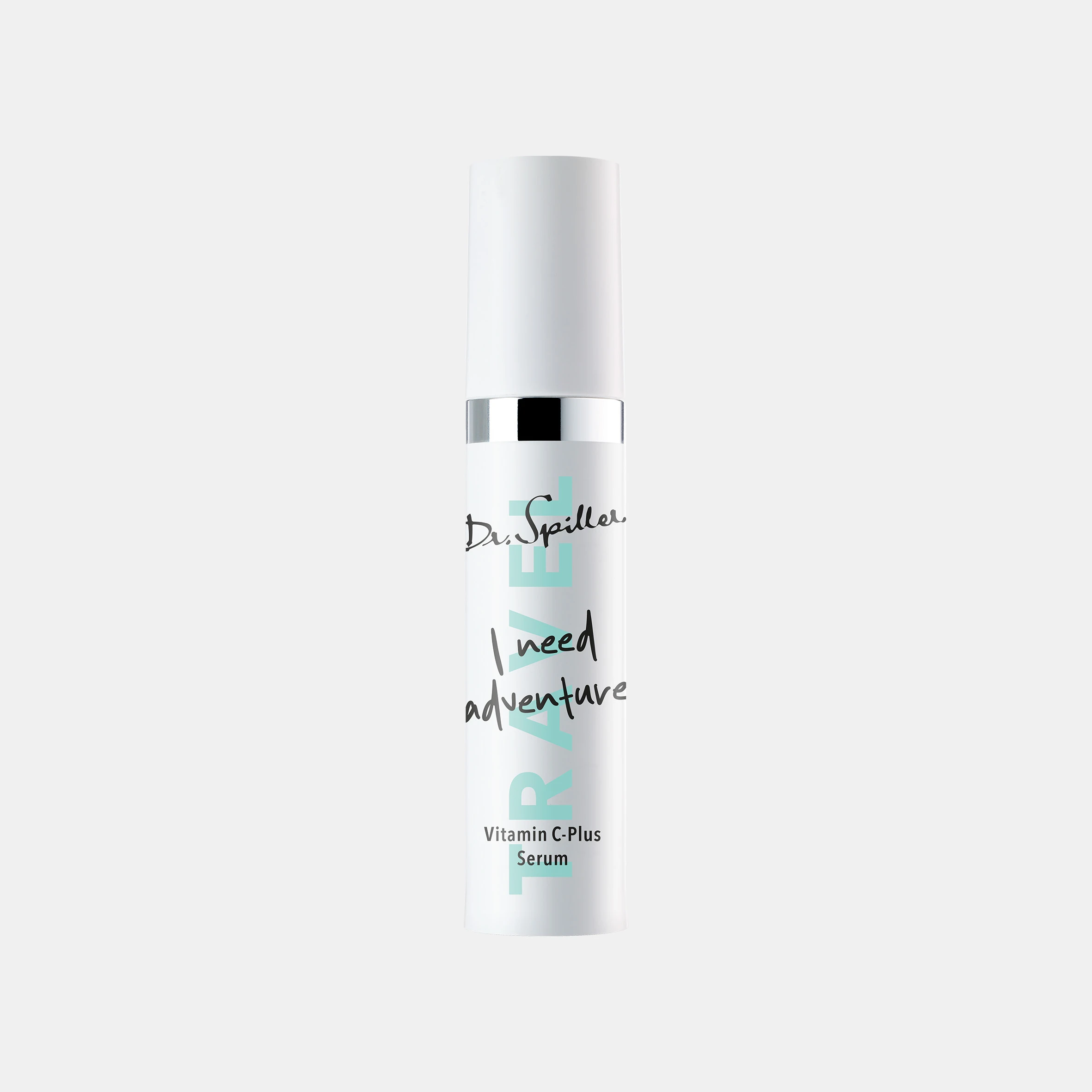
Vitamin C has an antioxidant effect and visibly reduces pigmentation
Vitamin C, retinol, and daisy extract work together to inhibit melanogenesis. At the same time, they protect against free radicals and make the complexion appear more radiant and even. Ideal as a serum under your skin care cream. In addition, the brightening effect can be significantly increased if these active ingredients are also contained in your daily skin care cream and you regularly use ampoules treatments with brightening active ingredients.
Product recommendation: Dr. Spiller Vitamin C-Plus Serum & White Effect – The Brightening Ampoules.


Niacinamide regulates melanin transfer and strengthens the skin barrier
Niacinamide, also known as vitamin B3, has multiple effects: it reduces visible pigmentation spots, strengthens the skin's protective barrier, and has an anti-inflammatory effect. It is particularly well tolerated, even by sensitive skin.
Product recommendation: Dr. Spiller Vitamin C-Plus Serum / Retinol+ Serum and Retinol+ Creams.


Retinol promotes cell regeneration and skin renewal
Retinol, also known as vitamin A, stimulates skin regeneration and helps to reduce excess pigment more quickly. At the same time, it smooths the skin's texture and reduces fine lines – particularly effective when used in the evening.
Product recommendation: Dr. Spiller Retinol+ Serum and Retinol+ Cream / Cream Light.
AHA (e.g., lactic or glycolic acid) smooths and clarifies the complexion
Alpha hydroxy acids dissolve dead cells, promote cell turnover, and thus gently remove pigments. Glycolic acid also has a slight moisturizing effect and visibly improves the skin's texture.
Product recommendation: Dr. Spiller AHA & PHA Ginkgosomen Serum.
BHA (e.g. salicylic acid) cleanses deep into the pores and reduces inflammation
Salicylic acid has a deep cleansing, sebum-regulating and anti-inflammatory effect. It is an effective supplement against blemishes, pimples, and post-inflammatory spots, especially for skin prone to late-onset acne during menopause.
Product recommendation: Dr. Spiller Herbal Active Complex or Acnoderm Roll-On.


Enzyme peels for sensitive skin
Enzymatic peels are particularly mild and ideal for sensitive, irritated skin. They gently remove dead cells, promote cell renewal, and improve the absorption of brightening active ingredients without an abrasive sanding effect.
Product recommendation: Dr. Spiller Enzyme Peeling Mask / TRAWENMOOR 2-Way Scrub.

Broad spectrum UV protection with SPF 30+ prevents new pigmentation
Daily sun protection is the most important measure against pigment spots. Modern UV filters with SPF 30 or higher not only prevent new spots, but also stabilize the results of lightening care products.
Product recommendation: Dr. Spiller SUMMER GLOW Sun Sensitive Serum SPF 30 / SUMMER GLOW Sun Sensitive Cream SPF 50 / SUMMER GLOW Sun Sensitive Emulsion SPF 30


This may also be interesting:

Skin problems on the face during menopause
Skin problems on the face during menopause are not uncommon – hormonal changes have a direct effect on the appearance...
Hormonal skin changes during menopause
Hormonal skin changes during menopause affect almost every woman – whether it's dryness, late-onset acne...
Skin longevity during menopause
Skin longevity during menopause is significantly influenced by the reactivation of oxygen supply to the skin cells. Oxygen plays a central role in maintaining...
Dr. Spiller Instagram
Follow us and become part of the Dr. Spiller Instagram community!